

نویسنده: کت اسپنسر
A cup full of kindness: Raising funds for cancer support

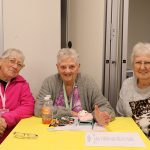
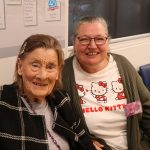
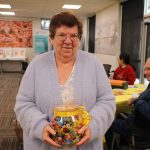
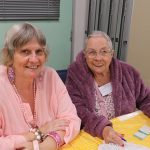
What a wonderful afternoon at the Women of West Heidelberg’s Biggest Morning Tea… in the afternoon!
The event was filled with fun, food, laughter and games, bringing community members together in a warm and welcoming atmosphere. While the gathering was light-hearted and full of connection, it also held an important purpose – supporting people impacted by cancer across our communities.
With cancer touching so many lives, the generosity of everyone involved helped raise $1,102.50 for the Victorian Cancer Council, contributing to the ongoing fight against cancer and supporting vital research and services.
A heartfelt thank you to all our special guests, volunteers and community members who came along and helped make the day such a success. Your support and kindness made a real difference.

Reducing gambling in our communities

Every year, our Gambler’s Help Program supports hundreds of people experiencing harm from gambling. We also raise awareness and educate about the risks of this often misunderstood, highly addictive behaviour. This is Lisa’s story.
Research shows that the total cost of gambling to Victoria in 2022-23 was estimated to be $14.1 billion. This cost was mostly attributable to financial, emotional and psychological harm and impacts on relationships and family.
How a promising new pastime became a major stress
When Lisa first saw people playing electronic gaming machines (the pokies) it looked easy, social and fun. They also seemed to be making easy money.
“One day I was on my way to the post office to pay my gas bill, and I was walking past an RSL. I went in, and on my first go I won $50,” remembers Lisa.
The place she visited was social, comfortable and highly stimulating, and the pokies seemed like an easy way to make money. Soon Lisa was spending most of her free time in gambling venues. She had some wins, but over time the losses became so big that her finances, relationships and health and wellbeing started to suffer.
Lisa became unable to pay bills and rent on time. Soon she couldn’t afford simple pleasures like coffee with a friend, and experienced stress from living with no money. This financial pressure led her to gamble more.
“I felt like I was stuck on a merry-go-round of desperation and excitement and couldn’t get off. I knew I had to try and fight it.”
In 2023, Lisa called Gambler’s Help at Holstep Health (then Banyule Community Health). She connected with one of our caring Therapeutic Counsellors, Jane. With Jane’s support, Lisa has been able to stop gambling altogether.
Responsive care from a compassionate team
Lisa’s Counsellor, Jane, is one of seven in our Gambler’s Help team.
“My aim is to support people to be more flexible in how they respond to life’s challenges and develop healthy coping strategies,” says Jane.
“There’s a lot of shame and stigma around gambling. It’s highly addictive, which is often not well understood. Relapsing or returning to it is common. It can take years to overcome, so we have a big focus on self-compassion too.”
Our team are experienced in a range of therapy types. They support people face to face, online or over the phone. And because they’re a diverse and highly skilled group, there is flexibility to tailor care to each client and their unique personality, lived experience and needs.
Gambler’s Help builds connections with individuals and communities through therapeutic and financial counselling and support groups. We deliver education programs about gambling harm and financial literacy in places like schools, workplaces and sports clubs.
Our Venue Support Program trains people who work in the places people gamble to identify patrons showing signs of gambling harm and other issues.
A positive experience for people and care teams
By giving Lisa a place to comfortably share her experiences, free from judgement, worry or shame, Lisa was able to develop self-compassion, and tools for recognising and safely managing gambling urges in healthier ways.
“Jane is so understanding and patient. She doesn’t ever say that I’ve disappointed her, even when I’ve had lapses and gone back. Before this place, I felt like I was out on my own. I don’t feel like that anymore,” says Lisa.
“It’s wonderful to see how people transition. I describe it as a restoration rather than a recovery – they come through this a better version of themselves because they’ve learned how to feel their emotions rather than distract themselves,” says Jane. “It’s great to see people grow through that experience, and to see people take their lives back.”
Lisa is one of more than 500 people we supported with more than 2,200 therapeutic counselling sessions at Gambler’s Help this year. Lisa also attends one of our gambling harm recovery groups.
Lisa hasn’t gambled for more than seven months, and says it feels fantastic to have broken free. “I can hardly believe I’ve managed to stop; I actually have to pinch myself,” says Lisa. I have money for myself now, and even though I can’t get back the time I spent gambling, I am enjoying the time that I have now.”
Program impact in 2024-2025
| 512 people supported through | 2,282 counselling sessions |
| 60+ people connected through | 1,400 support calls |
| 257 people received | 1,059 financial counselling sessions to manage stress and finances. |
| 175 training sessions delivered | 54 gambling venues |
| 3,303 students in | 20 schools learned about gambling harm |
| 128 speaker sessions delivered by | 12 lived experience speakers |
| 88 people | joined recovery groups, gaining skills and support for ongoing wellbeing. |
Image: Kylie and Jane, Gambler’s Help counsellors.
We’re proud to be Rainbow Tick accredited!

Holstep Health has achieved Rainbow Tick accreditation!
The Rainbow Tick is a quality framework that recognises organisations that are safe, inclusive and affirming for the LGBTIQA+ community, both as employers and service providers.
This achievement reflects our continued strong commitment to diversity and inclusion, as outlined in our 2025-2028 Strategic Directions. Both of our legacy organisations were also accredited, demonstrating our long-standing commitment to creating safe, accessible services and workplaces for LGBTIQA+ communities.
Achieving the Rainbow Tick has been the result of significant focus and reflects our firm commitment to working with community members, advocacy groups and our workforce.
This work has been supported by strong leadership across our Board, management and team, and has included listening to community voices, undergoing training from experts and people with lived experience, celebrating key events, reviewing policies and systems, strengthening advocacy, and creating more equitable pathways to our services.
Assessors reviewed all our 120+ services and spoke with more than 85 people, including community members. In their findings, they recognised Holstep Health’s passionate and engaged workforce, as well as a community that feels safe and supported to be their true selves. They also noted our strong commitment to diversity and inclusion across the organisation, including the work of our LGBTIQA+ Committees and our Rainbow Ambassadors.
This accreditation marks an important milestone, and we will continue to build on it by listening, learning and strengthening our culturally safe practices across all services and communities we support.
Quality care is at the heart of what we do

We’re delighted to announce Holstep Health is QIC accredited.
This recognition reflects the high standard of care we provide and our commitment to safe, respectful and person-centred services for our community.
It is a reflection of our commitment to listening, learning and continuously improving – ensuring we are a well-governed organisation that delivers high-quality services now and into the future.
This achievement aligns with our strong focus on quality and our commitment to strengthening Holstep Health, as outlined in our 2025-2028 Strategic Directions. Both of our legacy organisations were also accredited, demonstrating our long-standing commitment to high-quality, safe, and accessible services.
Assessors reviewed our wide range of services against 117 indicators and recognised our passionate and engaged workforce, welcoming environments, and innovative programs that support our communities. They also highlighted our strong commitment to diversity and inclusion, and our focus on listening to community needs to continually improve our services.
This important milestone reflects our enduring commitment to quality, safety and community, as well as our focus on listening, learning and continuously improving to better serve our communities into the future.
Help shape better health services for multicultural communities in Victoria

Everyone deserves healthcare that feels safe, respectful and easy to access – no matter where they come from or what language they speak.
The Victorian Government is inviting people from multicultural and multifaith communities to take part in the Victorian Multicultural Health Survey. This is an important opportunity to share your experiences and help improve health services for everyone.
We know that for many people, finding what you need in the health system can feel confusing or challenging, especially if English isn’t your first language. This survey has been designed to listen directly to those experiences – to understand what’s working, what’s not, and what needs to change.
Your voice matters. The insights gathered will help identify barriers to care and shape a more inclusive, accessible and equitable health system across Victoria.
Community voices are powerful. When people with lived experience share their stories and ideas, it leads to better services, better access, and better health outcomes for everyone.
You can take part by completing the survey online or joining a community consultation session.
By taking a few minutes to share your experience, you can help build a stronger, more responsive health system for all Victorians.
Improving access to justice

Unique to Holstep Health is our health justice approach to people in our community. Our community legal team also collaborate with other services to provide the kind of wraparound care that can make a big difference to peoples’ overall health and wellbeing. This is Danielle’s story.
Fighting back against unfair eviction
Danielle is a sole parent with two school-aged children. Living near their school in a home and community where they feel safe and secure is important, as Danielle lives with multiple chronic health issues, including a mental health condition.
The family was living in a local rental property that needed some major repairs. Danielle asked her landlord to make some repairs, but instead of fixing her property, the landlord tried to evict her – citing the condition of the property as the reason.
“I was in the rental for nearly eight years, and I’d been requesting repairs on and off for the whole time. It wasn’t in a good state – the stove wasn’t working, the bathroom ceiling was collapsing, and the rear deck was unsafe. The landlord kept putting the rent up more than he was meant to, and then he tried to evict me. It was really stressful,” says Danielle.
We assisted Danielle to object to the unfair rent increases and avoid eviction at the Victorian Civil and Administrative Tribunal (VCAT). We were able to obtain orders requiring the landlord to repair the property instead.
Around 18 months later, Danielle received another notice to vacate and was again facing the prospect of homelessness if she couldn’t secure a new property.
So, we jumped right back in and assisted Danielle to defend herself against the landlord’s application to take possession of the property at VCAT.
“With everything I’ve had going on, there have been times when I’ve felt suicidal. I can honestly say I wouldn’t be alive today without their support.” – Danielle
Working together to secure safe public housing
“We were able to delay the eviction and, working with our GP and LIFT mental health program team, supported Danielle until she was able to secure a new rental”, says one of our community lawyers, Caitlin.
“Now Danielle and her children are living in safe and secure housing, which has made a hugely positive difference to their health and wellbeing.”
Caitlin works in a program that supports people who have a mental health diagnosis. The program addresses people’s needs holistically by involving support from other service areas that might not normally be accessed through a traditional legal service.
“Achieving a positive legal outcome often only meets one aspect of a client’s overall needs,” says Caitlin.
The far-reaching impact of our health justice approach
In Danielle’s case, our wraparound care has also involved GP services, social work, emergency relief, a dietician, and support for her mental health through our LIFT stepped care model.
One of our GPs, Dr Ben, provided support letters for VCAT and supported Danielle to manage the stress associated with her eviction. The LIFT team helped with referrals to housing support services.
The types of legal matters West Heidelberg Community Legal commonly support people with include fines and debt, tenancy concerns, uninsured motor vehicle accidents, family law, family violence, intervention orders, victims of crime compensation and minor criminal offences.
“One of the great features of the health justice model is being part of a team that contributes to a person’s broader health and wellbeing and assists them with accessing supports to live a safe and happy life.” – Caitlin
Social Security Rights Victoria, which is now also part of Holstep Health, offers specialist statewide legal support for social security matters, including issues with Centrelink.
Danielle appreciates having services like ours available in her local community.
“I used to have another lawyer, but it’s quite far away from home and hard for me to get to on public transport. Holstep Health is a short walk from home, and I know if I need something I can walk there. I really don’t know how it would’ve ended if I hadn’t had support from Holstep Health,” Danielle continues.
“With everything I’ve had going on, there have been times when I’ve felt suicidal. I can honestly say I wouldn’t be alive today without their support.”
تأثیر برنامه در سال ۲۰۲۵
| 800 | people supported by our community legal team, an increase of 40% from 2024 |
| 300 | court and tribunal cases, improving access to justice. |
| 90 | people were supported with specialist legal services while receiving mother-and-baby care at Curran Place withdrawal service. |
| 63% | of people indicated that they experience mental health problems. |
| 37% | affected by family violence. |
| 35% | are also engaged with at least one other service at Holstep Health. |
| 7% | identify as Aboriginal or Torres Strait Islander peoples. |
Image: Community Lawyer, Caitlin, Danielle and GP, Dr Ben.
Restoring connection after dementia diagnosis

Our Memory and Dementia Service provides holistic ongoing support to people living with dementia. We also partner with researchers and other providers to offer innovative therapy, strategies and education to people and carers. This is Roger’s story.
A life-changing diagnosis
An early Alzheimer’s diagnosis at the age of 64 meant big adjustments for Roger and his family. Roger is a busy, social person. Before his diagnosis, he enjoyed working on the construction site, puttering around the golf course, and tinkering under the hood of a car.
“Dad’s a real go-getter. He’s really outgoing and loves to meet new people,” says Maculey, Roger’s daughter and recently, carer.
Roger is one of an estimated 110,600 Victorians living with dementia. Now the leading cause of death of all Australians, the number of people with dementia in our communities is expected to increase in coming years.
The consequences of Roger’s memory loss were subtle at first. But when a back injury meant he had to rest at home, his cognitive decline accelerated.
“He could barely walk for about a week; it absolutely shook him. He became really forgetful and it just wasn’t safe for him to be at home by himself.”
Roger became increasingly isolated and depressed, and Maculey, needing more support but finding local doctors unresponsive, felt disempowered. To be closer to Roger’s other daughter, they moved from New Zealand to Melbourne and settled Roger into a retirement village.
Maculey contacted My Aged Care, who referred Roger to our Memory and Dementia Service. Roger and Maculey worked with a number of our allied health clinicians to achieve their goals, including our caring Leisure Therapist, Kate.
With Kate’s practical support to reconnect with hobbies and the wider community, Roger has been able to reconnect with past leisure skills, build relationships in his wider community and maintain a lifestyle he enjoys.
Improving quality of life through meaningful connection
Kate supports people to stay connected following a dementia diagnosis or cognitive changes. Spending time with others and taking part in enjoyable activities can improve brain health and wellbeing. It helps people use their strengths, build on past skills, and stay active in things they like doing.
“Research shows that when people have a dementia diagnosis, their social connections and friendships can start to drop off,” explains Kate.
“Making sure they continue to have relationships with their community and do the things they enjoy is a form of advocacy. We want people to continue being in the community without restriction, which is often not the case for people living with a dementia diagnosis.”
By respecting Roger’s independence and empowering him to make decisions, Roger has been supported to thrive in his new community.
“Roger knew clearly what he wanted, which was to do things he used to love – like golf and explore his new community,” says Kate, who supported the family. She provided written recommendations for his support worker around Roger’s strengths and communication style, facilitating referrals, researching activities and groups and educating Macauley about local services available.
“Kate’s been amazing – always checking in with emails and organising stuff – just being really onto it.” says Maculey. “It’s really enhanced Dad’s life and taken things off my plate.”
An impactful, internationally recognised program
Roger is one of 132 people supported through our Memory and Dementia Service in 2025.
The program team includes occupational therapy, physiotherapy, exercise physiology, nursing, social work, leisure therapy, nutrition, speech pathology and a specialist geriatrician.
Our unique multidisciplinary approach empowers people like Roger to continue doing the things they want to do and maintain their independence.
It builds their understanding of their diagnosis and supports them and their families and carers, to adapt to cognitive changes.
To extend our reach and impact, we partnered with the University of Canberra and Nillumbik Council to run a Cognitive Stimulation Therapy Group and a Carer Support program. Our innovative work has been recognised internationally for its excellence.
“Our Memory and Dementia Service is unique. It’s a real joy and a privilege to work with people to broaden their repertoire of fun things,” says Kate.
“I think it’s pretty special – and if Roger needs us in the future, he just has to call us so we can be there for him if things change.”
تأثیر برنامه در سال ۲۰۲۵
| 132 | people supported with personalised care |
| 48% | spoke a language other than English, receiving culturally responsive support. |
| 40% increase | demand for our geriatrician service. |
| 20 weeks | of Help Yourself Exercise improved strength, mobility, and wellbeing. |
| 13 | people joined Social and Therapeutic Horticulture, |
| 3-6 months | average length of support provided. |
Image: Roger connecting with new friends at our Memory and Dementia Service.
In 2025, the ABS reported Dementia (including Alzheimer’s) was now the leading cause of deaths for Australians, overtaking coronary heart disease.
Supporting people with chronic pain

Across Australia, 3.6 million people live with chronic pain. Our Chronic Pain Service supports people on their pain journey, helping them understand their condition and take steps forward in ways that work for them. This approach is improving health and wellbeing outcomes every day and driving innovation in the sector. This is Charlie’s story.
A GP referral for effective pain management
Twenty-two-year-old Charlie* realised their chronic pain was becoming unbearable when they couldn’t leave the house.
“I’ve always worked from home, so I was able to work, but things like doing chores and showering were really difficult,” says Charlie, a disabled trans person who lives with migraines, fibromyalgia, endometriosis, chronic fatigue and autism.
“I couldn’t walk very far without being in a lot of pain, so I was limited to just being in my home and doing my work. I didn’t really leave the house,” says Charlie.
In 2023, their GP referred them to our Chronic Pain Service. A multidisciplinary pain management program for people who live with persisting pain, the service aims to facilitate recovery and improve health and wellbeing outcomes.
This was Charlie’s first experience of Holstep Health. Since then, they have been internally referred to our occupational therapy team and say the support they’ve received has made life and their experience of pain much easier.
“I can leave the house and go to the shops if I need to, which was just not an option. Back then, I couldn’t function with the pain, whereas now that’s something I can do. I still experience pain, but now it’s more like background noise, instead of being the main thing determining how I was feeling.”
Delivering respectful, person led care
Charlie was clear from the start, that they wanted to live life as a disabled person without chronic pain. They also didn’t want to be touched.
In line with our commitment to delivering responsive and respectful care, our pain physiotherapist, Nicole, was keen to learn about and uphold Charlie’s boundaries, and to support them to work towards their individual goals.
“Targeting pain and improving function is a key aspect of why people are drawn to do the work, but what that looks like in practice is different for everyone,” says Nicole, who helped to establish the service. “Normally I would seek someone’s consent to touch them as part of my treatment, but I was very happy to be led by Charlie and support them.”
Together Nicole and Charlie explored the story of Charlie’s pain, and how it had started in response to their experience of family violence growing up.
“Realising that pain played an important role as a protective tool in my past has enabled me to meet it with neutrality and compassion, and to recognise I don’t need it to protect me now like I did then,” says Charlie, who says they found Nicole curious, open, communicative and responsive.
Providing care faster and closer to home
Charlie is one of more than 122 people who access free care from our Chronic Pain Service every year.
A typical treatment pathway involves a few early, intensive sessions including personalised assessment, then a treatment plan and active treatment. Some people thrive with one-to-one care, whereas others prefer a group program.
Nicole referred Charlie to our Occupational Therapy service. Here we supported Charlie with a shower stool, kitchen stool, wheelchair and ramp, to make it easier for Charlie to get out and about. We also prepared a functional capacity assessment for Charlie’s NDIS application, which was successful.
Another important aspect of our Chronic Pain Service is its focus on contributing to the broader service system to support an integrated, responsive approach. At some hospitals the waiting time for pain services can be as long as 6-12 months, but at Holstep Health the average wait time is just 45 days.
This shows how supporting people in a community health setting helps to reduce strain at hospitals and make consumers more comfortable faster.
Nicole says it’s a privilege to walk alongside people as they find and harness their strengths.
“We support people who are taking hard, vulnerable journeys with pain. Witnessing them find strength, wisdom and agency in themselves to use for their recovery – whatever that looks like for them – is humbling.”
Program Impact
| 133 | people were connected to the service, gaining access to tailored support. |
| 122 | people started the program, receiving care and guidance to meet their goals. |
| 82% | of people met or partially met their goals, achieving meaningful outcomes. |
| 91.7% | of people reported making some overall improvement |
| 90% | of people reported a significant improvement in how pain interferes with daily life |
| 91.7% | reported an improvement in their physical abilities |
| 89% | of people reported a significant improvement in pain catastrophising |
| 45 days | average wait to be seen, significantly lower than most hospital wait times. |
| People reported lower average healthcare utilisation, including fewer visits to GPs, specialists and other health professionals, at completion of the service. |
* Consumer name has been changed for privacy.
Improving equal pay at Holstep Health

We’re creating an inclusive space where everyone feels valued, respected and able to thrive.
This year, we’ve reduced our gender pay gap by a further 1.3%, bringing it down to 7.8% – nearly 14% lower than the national average and a strong step towards greater equity.
We recognise this remains an area for continued improvement following the merger of Banyule Community Health and Merri Health in early 2025.
| All employees | 2022-2023 | 2023 – 2024 | 2024 – 2025 |
| Average total remunerations | 12.8% | 9.1% | 7.8% |
| Median total remunerations | 6.1% | 6.8% | 0.0% |
| Average base salary | 12.8% | 9.4% | 8.0% |
| Median base salary | 6.5% | 8.2% | 0.9% |
You can read more on this below and see Holstep Health’s Statement on Gender Equality.
Holstep Health recognises that creating a workplace in which all people are equally represented, valued and rewarded requires leadership, accountability and a focus on gender equality as a strategic priority. While we are proud of our achievements to date, we recognise there is still work to do and we are committed to being transparent about our performance as we strive for a gender equal environment for all.
Workplace Gender Equity at Holstep
Holstep Health’s commitment to gender equity is demonstrated at all levels of the organisation. Our leadership team comprises 55% women across our Board, Executive and Senior Leadership roles, led by CEO, Tassia Michaleas.
With a mostly female work force (80%), flexible work options are important to create gender equality at Holstep Health along with:
- Sector-leading equal paid parental leave for primary and secondary carers, recognising the important role of every caregiver
- Policies and strategies that support gender equality, diversity, and inclusion
- Part-time and hybrid working arrangements available across some roles, helping balance life and work
- Support for carers including additional leave options and keep-in-touch programs
- Prevention and response to harassment and discrimination ensuring safety and respect for all staff
- Support for staff experiencing family or domestic violence including paid leave, EAP support, and workplace safety planning.
Actions and future focus
Holstep Health will continue to look closely at workforce data across our newly merged organisation to better understand what’s working well and where we can improve. We will regularly review our policies and practices to make sure they continue to support gender equality. We will also introduce a new Gender Equality Action Plan, setting out the steps we will take to meet our gender equality indicators and targets.
We remain committed to strengthening workplace gender equality will continue to learn from our WGEA results to inform ongoing improvement.
*Note, The Gender Pay Gap is the difference in average earnings between women and men in the workforce. It should not be confused with women and men being paid the same for the same, or a comparable, job – this is equal pay and has been a legal requirement since 1969.
Data: Industry Data Explorer | WGEA Gender Equality Data
کمک به رشد و شکوفایی کودکان و خانوادهها

Holstep Health با خدمات یکپارچهای که مراقبتهای هماهنگ و انعطافپذیری را متناسب با نیازهای منحصر به فرد کودکان ارائه میدهد، از آنها و خانوادهها حمایت میکند. کار ما بر از بین بردن موانع تمرکز دارد تا همه کودکان بتوانند شکوفا شوند. این داستان کلوئی است.
مشکلات مربوط به صحبت کردن، خوابیدن و انجام کارهای روزمره
کلوئی دو ساله عاشق نقاشی و بازیهای فعال، مانند بازیهای حرکتی، بود. اما در دو سالگی، کلوئی هنوز صحبت نمیکرد و فقط از کلمات به صورت محدود استفاده میکرد. تارا، مادر کلوئی، با یادآوری اینکه فرزندان دیگرش تا این سن کاملاً کلامی بودند، احساس نگرانی کرد.
علاوه بر این، خانواده خشونت خانگی و بیخانمانی را تجربه کرده بودند. تارا نگرانیهای خود را در مورد کلوئی با یک مددکار مسکن در میان گذاشت که او خانواده را به «درب نارنجی» معرفی کرد و سپس آنها را با خدمات پشتیبانی خانواده ما مرتبط ساخت.
برای حمایت از این خانواده در مسیر رشد، ما با آنها همکاری کردیم تا نیازهای رشدی کلوئی را شناسایی و درک کنیم. همچنین از آنها در مسیر مداخله زودهنگام در دوران کودکی حمایت کردیم.
Holstep Health پشتیبانیهای متعدد هماهنگشده از جمله شنواییسنجی ، رژیم غذایی و مشاوره با پزشک دلسوز و باتجربهی ما در حوزهی معلولیت.
ما همچنین کلوئی را به سایر خدمات ارجاع دادیم و طرح رویکرد اوایل کودکی-NDIS را برای کمک به تأمین بودجه حمایت از او تسهیل کردیم.
با گذشت زمان و اینکه توانستیم با این خانواده اعتماد و تفاهم ایجاد کنیم، کلوئی شروع به پیشرفت کرد. دایره لغات او گسترش یافت، تارا توانست روالهای منظم و عادات خواب سالمتری را در خود ایجاد کند و تمام خانواده احساس آرامش و رضایت بیشتری داشتند.
شناسایی زودهنگام برای بهترین نتایج ممکن
ما با ملاقات خانواده در خانه شروع کردیم، برای شناخت آنها وقت گذاشتیم و در عین حال با احترام به نگرانیهای تارا گوش دادیم، نیازهای رشدی کلوئی را مشاهده کردیم و مهارتهایش را ارتقا دادیم.
کت*، متخصص پشتیبانی از معلولین پیچیده ما، توضیح میدهد: «با گذراندن وقت با خانوادهها در خانه، به روشهایی که برای آنها امن و آشنا باشد، میتوانیم اعتماد ایجاد کنیم و شاهد پویایی واقعی خانواده باشیم. این امر به ویژه هنگامی که کودکان خردسال درگیر هستند، ارزشمند است، زیرا میخواهیم رشد کودک و محیط خانه را به طور دقیق ارزیابی کنیم.»
برای ترسیم و شناسایی دقیق تأخیرهای کلوئی، از یک ابزار غربالگری به نام پرسشنامه سنین و مراحل (ASQ-3) استفاده کردیم. این پرسشنامه پنج حوزه رشدی را پوشش میدهد: ارتباط، مهارتهای حرکتی درشت، مهارتهای حرکتی ظریف، حل مسئله و تعاملات اجتماعی شخصی.
ما میدانیم که هر خانوادهای متفاوت است، بنابراین به شیوهای انعطافپذیر و پاسخگو کار میکنیم. در مورد این خانواده، این به معنای تکمیل ارزیابی در چندین جلسه، حفظ هماهنگی در تعیین افراد مراجعهکننده و تغییر زمان قرار ملاقاتها در صورت نیاز بود.
طی چندین ماه، ما با مادر کلوئی همکاری کردیم تا آموزشهای متناسب با نیازهایش را ارائه دهیم و بازیهای کودکمحور، استراتژیهای ارتباطی و روالهای معمول را برای حمایت از رشد گفتار و رفتار کلوئی الگوسازی کنیم.
«پاداش واقعی، دیدن این است که کودکان و والدین، ثبات، امنیت و شادی بیشتری را در زندگی روزمره خود تجربه میکنند.» – کت، Holstep Health پزشک
افزایش عدالت در سلامت از طریق مراقبتهای پاسخگو
خانوادههایی با پیشینههای متنوع و سابقه یا آسیبهای روحی و بیثباتی مسکن، اغلب استرس شدید، اختلال در روالهای زندگی و چالشهای دسترسی به خدمات حمایتی را تجربه میکنند.
کت میگوید: «برای ایجاد اعتماد و تفاهم با تارا، اطمینان حاصل کردیم که به تعهدات خود عمل میکنیم و با صبر، ثبات و اطمینان به تمام اقدامات رسیدگی میکنیم.»
تارا دارای معلولیت ذهنی است و توسط NDIS پشتیبانی میشود، بنابراین منابع در قالب آسانخوان با نشانههای بصری ارائه شدهاند تا با سبک یادگیری او مطابقت داشته باشند.
با بهبود خواب و تندرستی، کلوئی آرامتر شد، سطح گرسنگیاش تنظیم شد و توانست در زمانهایی که با ریتم خانواده سازگار بود، غذا بخورد.
تیم ما به توانایی خود در ایجاد اعتماد در خانوادههایی که در گذشته از سیستمها ناامید شده بودند، افتخار میکند.
کت میگوید: «وقتی کودکان و خانوادهها به اندازه کافی احساس امنیت میکنند که به من اجازه ورود بدهند و داستانشان را به اشتراک بگذارند، یادآوری قدرتمندی است که چرا من این کار را انجام میدهم. به همان اندازه رضایتبخش است که بدانم نقش من میتواند تفاوتهای عملی و فوری ایجاد کند - چه در تأمین منابع، چه در ارتباط دادن خانوادهها با حمایتهای مناسب یا دفاع از آنها.»
تأثیر برنامه در سال ۲۰۲۵
| 431 | کودکان و نوجوانان از |
| 191 | خانوادهها برای تقویت رفاه، ارتباط و ثبات خانواده، حمایت دریافت کردند. |
| 14,800 | ساعتها پشتیبانی مستقیم به خانوادهها کمک کرد تا به مراقبتهای متناسب دسترسی پیدا کنند و به نتایج مثبتی دست یابند. |
| 109% | از اهدافی که از طریق برنامه فرزندپروری کودکان دارای معلولیت پیچیده (PCCD) محقق شده است |
| 1,400+ | ساعات پشتیبانی ارائه شده |
* نامها به دلیل حفظ حریم خصوصی تغییر داده شدهاند.