
Our Memory and Dementia Service provides holistic ongoing support to people living with dementia. We also partner with researchers and other providers to offer innovative therapy, strategies and education to people and carers. This is Roger’s story.
A life-changing diagnosis
An early Alzheimer’s diagnosis at the age of 64 meant big adjustments for Roger and his family. Roger is a busy, social person. Before his diagnosis, he enjoyed working on the construction site, puttering around the golf course, and tinkering under the hood of a car.
“Dad’s a real go-getter. He’s really outgoing and loves to meet new people,” says Maculey, Roger’s daughter and recently, carer.
Roger is one of an estimated 110,600 Victorians living with dementia. Now the leading cause of death of all Australians, the number of people with dementia in our communities is expected to increase in coming years.
The consequences of Roger’s memory loss were subtle at first. But when a back injury meant he had to rest at home, his cognitive decline accelerated.
“He could barely walk for about a week; it absolutely shook him. He became really forgetful and it just wasn’t safe for him to be at home by himself.”
Roger became increasingly isolated and depressed, and Maculey, needing more support but finding local doctors unresponsive, felt disempowered. To be closer to Roger’s other daughter, they moved from New Zealand to Melbourne and settled Roger into a retirement village.
Maculey contacted My Aged Care, who referred Roger to our Memory and Dementia Service. Roger and Maculey worked with a number of our allied health clinicians to achieve their goals, including our caring Leisure Therapist, Kate.
With Kate’s practical support to reconnect with hobbies and the wider community, Roger has been able to reconnect with past leisure skills, build relationships in his wider community and maintain a lifestyle he enjoys.
Improving quality of life through meaningful connection
Kate supports people to stay connected following a dementia diagnosis or cognitive changes. Spending time with others and taking part in enjoyable activities can improve brain health and wellbeing. It helps people use their strengths, build on past skills, and stay active in things they like doing.
“Research shows that when people have a dementia diagnosis, their social connections and friendships can start to drop off,” explains Kate.
“Making sure they continue to have relationships with their community and do the things they enjoy is a form of advocacy. We want people to continue being in the community without restriction, which is often not the case for people living with a dementia diagnosis.”
By respecting Roger’s independence and empowering him to make decisions, Roger has been supported to thrive in his new community.
“Roger knew clearly what he wanted, which was to do things he used to love – like golf and explore his new community,” says Kate, who supported the family. She provided written recommendations for his support worker around Roger’s strengths and communication style, facilitating referrals, researching activities and groups and educating Macauley about local services available.
“Kate’s been amazing – always checking in with emails and organising stuff – just being really onto it.” says Maculey. “It’s really enhanced Dad’s life and taken things off my plate.”
An impactful, internationally recognised program
Roger is one of 132 people supported through our Memory and Dementia Service in 2025.
The program team includes occupational therapy, physiotherapy, exercise physiology, nursing, social work, leisure therapy, nutrition, speech pathology and a specialist geriatrician.
Our unique multidisciplinary approach empowers people like Roger to continue doing the things they want to do and maintain their independence.
It builds their understanding of their diagnosis and supports them and their families and carers, to adapt to cognitive changes.
To extend our reach and impact, we partnered with the University of Canberra and Nillumbik Council to run a Cognitive Stimulation Therapy Group and a Carer Support program. Our innovative work has been recognised internationally for its excellence.
“Our Memory and Dementia Service is unique. It’s a real joy and a privilege to work with people to broaden their repertoire of fun things,” says Kate.
“I think it’s pretty special – and if Roger needs us in the future, he just has to call us so we can be there for him if things change.”
Saamaynta barnaamijka sanadka 2025
| 132 | people supported with personalised care |
| 48% | spoke a language other than English, receiving culturally responsive support. |
| 40% increase | demand for our geriatrician service. |
| 20 weeks | of Help Yourself Exercise improved strength, mobility, and wellbeing. |
| 13 | people joined Social and Therapeutic Horticulture, |
| 3-6 months | average length of support provided. |
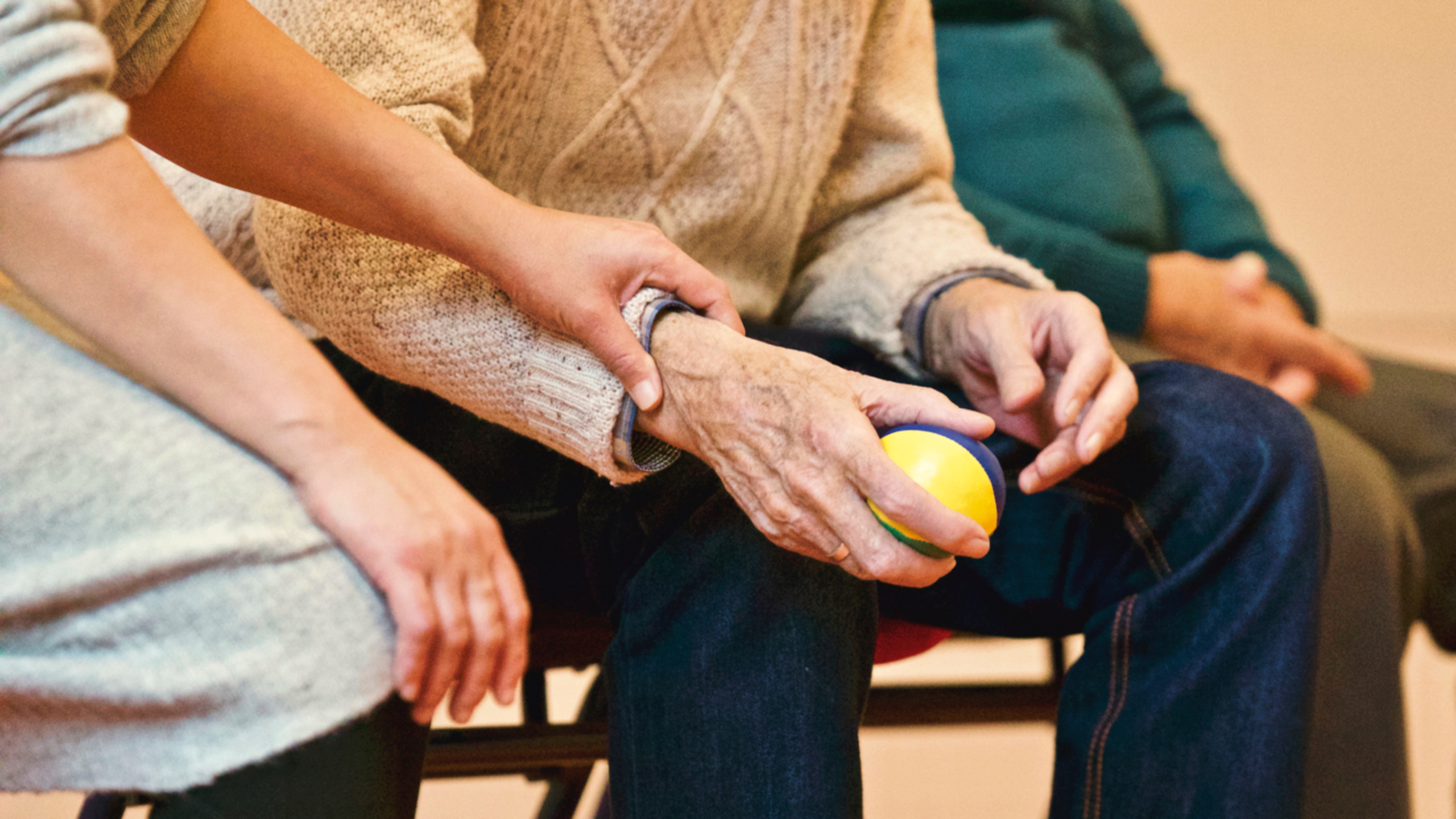
Image: Roger connecting with new friends at our Memory and Dementia Service.
In 2025, the ABS reported Dementia (including Alzheimer’s) was now the leading cause of deaths for Australians, overtaking coronary heart disease.
Wax badan ka ogow