

저자 저자: 캐스 스펜서
Our new CEO: healthcare equality a top priority

Merri Health is pleased to announce the appointment of Tassia Michaleas as its new Chief Executive Officer (CEO).
Tassia commenced her career in community health in 1996 and has been a long standing, highly valued member of the Merri team since 2008 during which she has demonstrated her commitment to the social model of health. Tassia has continually advocated for accessible and culturally-sensitive services and led key collaborations in our sector to achieve system improvements and better outcomes for communities.
Looking to the future of health, Tassia will lead Merri through its 2020 strategic directions planning, ensuring responsive and dynamic services to the many communities it services.
“I am truly humbled and privileged to be leading our great organisation in this next exciting phase of our growth and continued service excellence. The communities we support remain at the core of our efforts and dedication,” said Tassia.
Tassia presented the Board with a very powerful and exciting vision for the future of Merri and commitment to ensuring we remain a leader, providing and advocating for high quality services, healthcare equality and continuing to strengthen Merri as an employer of choice.
Merri’s Board of Directors would like to take this opportunity to congratulate and welcome Tassia to this exciting phase, and thank Dr. Antoinette Mertins who has been acting in the role since September 2019.
Tassia commences in the role as of Monday, 18 November 2019.
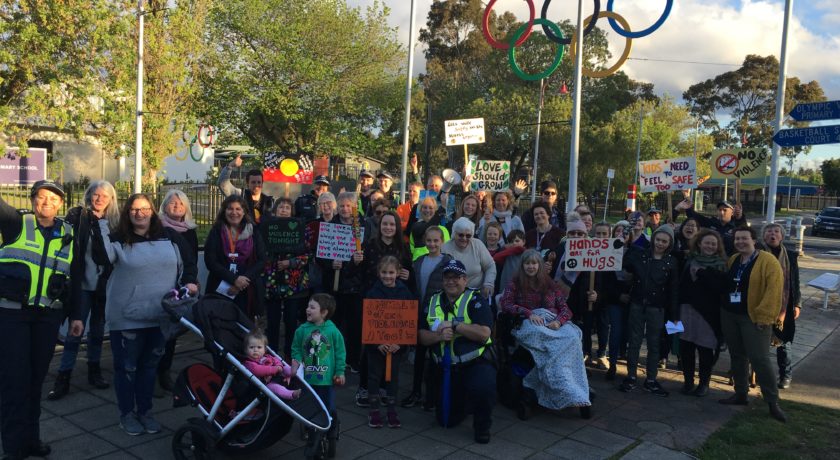
2019 리클레임 더 나잇
High commendations awarded to Merri volunteer Jack
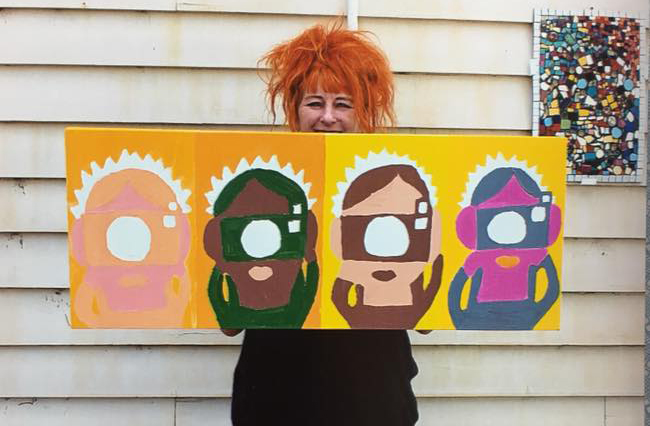
Merri volunteer Jack received high commendations for Volunteer of the Year at the Moreland Awards for her contributions to the community and consumers of Merri Health.
We asked Jack a few questions about her role as volunteer in the mental health art studio at Merri.
How did you get into volunteering?
I moved here from NSW and started the volunteering process straight away in order to make contacts and friends in a new place. I had studied community services and had a history in art study. This process was interrupted when, out of the blue, I had a serious mystery health issue that interrupted my life for about two years. Commencing with my voluntary work also became a part of my healing process as the artists I worked with, helped me as much as I wished to help them.
Where did you study art and how did you decide that was the path you wanted to take?
I studied art at Cambridge College of Arts and Technology in the UK. I was 19 when I began and in hindsight was a little too young to make the best of this. My school art teacher, encouraged me to go to art school when it was considered an impractical subject to study, even more so than now! I lacked support from people around me to help me really feel confident, this has meant that I have a strong understanding of the obstacles many creative people have to overcome usually in a very solitary way. I am not sure that artists really have a choice about being an artist, it is just an intrinsic part of who you are.
What is your greatest achievement so far with your volunteering?
Volunteering in the mental health art room has shown me how everyone benefits from making space in their week for their own brand of creativity. Art is therapeutic. It can be heartfelt; accessing incredibly personal unique ways to express or be heard. It can be ‘switch off your head’ time, or it can be just ‘PLAY and see what happens’ kind of therapy. It is all of these things and more. Having this volunteering experience has shown me how alike we all are, rather than how different we are.
What have you learnt through your role as a volunteer at Merri?
Those in the art room have reminded me of how valuable I am as a person and as an artist. What they achieve has broken down barriers regarding what art is and they have shown how it can speak to us all. How we can communicate through our artistic expression.
What would be your advice to someone who is thinking about becoming a volunteer?
Becoming a volunteer not only gives one a feeling of self worth and value, it warms the heart to see that in participating, one can have a positive effect on others and so becomes a circle of giving and receiving.
Image: Jack showcasing artwork by Merri consumer Marg.
Podiatrist Jessica wins scholarship for the Diabetic Foot Australia Conference

Merri Health podiatrist Jessica was awarded a scholarship to attend the 2019 DFA (Diabetic Foot Australia) Conference.
This is a yearly conference which delivers the latest on diabetic foot disease research by the DFA who are dedicated to delivering preventable amputations.
We asked Jessica a few questions about the scholarship and her learnings to further spread the research findings for the year.
Tell us a little about how you got the scholarship to attend the Diabetic Foot Australia Conference
When I saw the program advertised for the conference, I was immediately excited to register and be a part of the large cohort of health professionals working towards “ending avoidable amputations within a generation”. My team leader, Christine Kendall supported my cause and could see how the conference would nurture our evidence-based practice approach to health care and then liaised with HR about scholarship opportunities. I was extremely proud to wear the Merri Health badge at the Conference while collaborating with key stakeholders, networking with other health professionals, meeting company representatives and of course getting a selfie with the “Diabetic Foot Ulcer Queen”, Prof. Fran Game from the UK.
What are some key learnings you took from the conference?
Every four years the International Working Group on the Diabetic Foot (IWGDF) produces international, multidisciplinary, evidence-based guidance documents to inform health professionals all over the world on the prevention and management of diabetic foot disease. In the 2019 document, the IWGDF group made 23 new recommendations. The new recommendations were presented to the DFA delegates and put in context for the Australian Healthcare system. They were discussed by the writers themselves and unpacked throughout the two-day conference meaning I now feel more confident in supporting the podiatry team to implement these clinical pearls into our everyday care. I could proudly walk away from the DFA conference knowing that our team at Merri Health will be in the best position to provide evidence-based foot care for our community with this new knowledge.
What did you expect to get out of the conference?
The conference was everything I expected from world class presenters in the diabetic foot field. On the flip side, what I didn’t expect from the conference, was how valuable the networking opportunities would be. In the workshops and lunch breaks, it became apparent that many of my colleagues from other community health organisations were all facing the same challenges in leading podiatry teams in the ever evolving world of modern healthcare. With our managers’ support, we have now formed a quarterly network meeting for senior podiatrists in the North West Melbourne region to provide support to each other, share clinical knowledge, benchmark and collaborate where possible.
Where did your interest begin in podiatry?
Like many first year podiatry students, I had just missed out on place in the physiotherapy course at La Trobe University and was hoping to transfer at the end of the first year. I decided to stick with podiatry after enjoying my first year and realising the breadth of the profession. I would love a dollar for every time someone has said to me “how do you deal with feet all day?” My response always is “those feet are attached to someone; therefore, I deal with people!” The undergraduate podiatry course covers so many interesting avenues such as paediatrics, pharmacology, surgery, research methods, biomechanics and ethics, so my interest in podiatry naturally grew as I was exposed to all the different subjects. Podiatry has given me so many opportunities that I will always be grateful for – from completing post graduate diabetes education, to volunteering in the homeland communities in North East Arnhem Land, NT in 2018 to being on Channel 7’s Sunrise talking about kids footwear. While podiatrists have a typical lifespan of seven years in the job, I’m relieved that after 10 years I still thoroughly enjoy my career!
After attending the conference, can you see yourself applying anything you learned into your job?
Flying home from the conference in Brisbane, whilst exhausted from such a rewarding two days, I was so excited to start brainstorming how we could apply the conference findings into our clinical practice at Merri Health. As health professionals, we have a responsibility to provide evidence-based care and treatment to our patients, so planning a way to deliver the conference content back to my team members was high on my priority list. The next quality improvement project I plan to implement is updating our patient assessment forms to ensure they reflect the recommended tests to conduct, pathways to follow and treatment options to explore. The conference has given me a huge burst of motivation and energy to keep improving our service for the best outcomes for our patients.
Jessica would like to thank Christine Kendall and Merri Health for the opportunity to attend Diabetic Foot Australia 2019 Conference.
치료의 연속성: 리타의 이야기

스페인에서 태어난 리타와 남편 짐은 첫 아이가 아기였을 때 호주로 이주했습니다.
두 번째 아이는 호주에서 태어났습니다. 아이들이 어렸을 때는 스페인에서 10년을 더 살다가 호주에 영구적으로 정착했습니다. 리타와 짐은 아이들이 스페인 문화의 일부라고 느끼기를 원했기 때문에 전통 명절을 축하하고 집에서 모국어를 사용했습니다.
리타는 현재 78세의 나이로 암 투병 중입니다. 짐은 딸의 도움을 받아 집에서 리타를 돌보고 있습니다. 최근 병원에 입원했을 때 짐은 간호사에게 집에서 관리하기가 점점 더 힘들어지고 있다고 말했습니다.
리타가 집에서 계속 생활하고 짐이 리타를 계속 돌볼 수 있도록 지원하기 위해 병원에서는 이들을 건강 자립 프로그램(HiP)에 의뢰했습니다. 평가 후 HiP 복합 케어 코디네이터는 관련 재택 지원 서비스를 파악하고, 부부와 옵션에 대해 이야기하고, 의뢰 및 평가를 조율했습니다. 존재
노인 케어 서비스에 익숙하지 않은 이 가족은 케어 코디네이터가 있어 스트레스를 줄이는 데 도움이 되었고 리타가 필요한 것을 받고 있다는 확신을 가질 수 있었다고 말했습니다.
케어 코디네이터는 커먼웰스 홈 지원 프로그램(CHSP, 나의 노인 케어)을 통해 평가를 준비했습니다.
CHSP는 위원회를 통해 리타가 개인 간호, 재택 지원, 짐이 매주 휴식을 취할 수 있는 재택 간호 서비스를 받을 수 있도록 준비했습니다. 부부는 이러한 서비스를 받았고 케어 코디네이터는 부부가 해야 할 일과 가정에서 케어 루틴을 설정하는 방법에 대해 설명했습니다.
리타의 암이 진행되자 담당 전문의는 증상 관리를 위해 완화의료 서비스를 소개했습니다. 어느 날 완화의료 간호사는 리타에게 욕창이 생긴 것을 발견했습니다. 그녀는 리타에게 욕창 치료를 위한 작업 치료를 의뢰했습니다.
리타는 완화 치료를 받고 있었고 심각한 감염의 위험이 있고 매우 고통스러울 수 있는 욕창이 있었기 때문에 우선적으로 서비스를 이용할 수 있도록 했습니다.
작업 치료사는 개인에게 맞춤화된 치료를 하지 않으면 해당 부위가 악화될 수 있기 때문에 압력 치료 평가를 실시했습니다. 평가 결과, 작업 치료사는 리타가 암 치료 사이에 높은 수준의 피로를 경험하고 있음을 확인했습니다. 그 결과 그녀는 앉아있는 시간이 많았고, 이는 욕창 발생의 원인이 되었습니다. 그녀는 또한 약간의 불편함과 고통을 겪고 있었습니다. 리타와 가족은 통증과 욕창 위험을 줄이는 것이 중요한 치료 목표라는 데 동의했습니다.
약물은 피로와 이동성에 영향을 미칠 수 있으므로 작업 치료사는 리타의 동의를 얻어 완화 치료 의사와 리타의 약물 복용에 대해 이야기했습니다. 작업 치료사는 리타의 체중, 키, 의자 크기를 측정하여 리타에게 가장 적합한 압력 관리 쿠션을 결정했습니다.
그들은 리타가 앉는 자세에 맞고 압력을 가장 잘 완화하며 통증을 줄일 수 있는 쿠션을 찾을 때까지 리타와 함께 몇 가지 압력 쿠션을 시험해 보았습니다. 또한 리타와 짐, 딸에게 쿠션의 위치가 더 이상 압력을 가하지 않도록 최상의 지지력을 제공할 수 있도록 쿠션의 위치를 알려주었습니다. 완화 치료 간호사는 가정 방문을 마치면서 작업 치료사를 만났습니다. 그들은 가족에게 피부가 부러지는 것을 방지하기 위해 크림을 사용하는 것에 대해 이야기했습니다.
작업치료사는 가족에게 욕창이 악화되거나 낫지 않는 것 같으면 전화하라고 알려주었습니다.케어 코디네이터는 스페인에 거주하는 둘째 딸과도 연락을 취할 수 있었습니다. 그녀는 어머니의 건강 관리가 호주의 변화된 노인 케어 시스템에서 어떻게 제공되고 있는지에 대해 안심시켰습니다.
호주의 변화된 노인 케어 시스템에서 어머니의 건강 관리가 어떻게 제공되고 있는지, 그리고 팀에서 누가 더 구체적인 질문에 가장 잘 답할 수 있는지 알려주었습니다.
Extra education support for Indigenous children
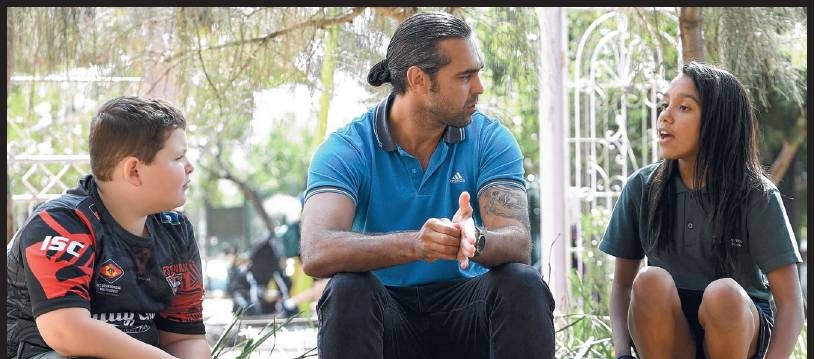
A free education program for young Aboriginal and Torres Strait Islander people is seeking participants.
Speak Up, Speak Out is seeking 10-12 year olds from Moreland and Hume. Participants will learn about healthy, supportive and safe relationships in an effort to stop family violence and violence against women.
Led by former AFL Essendon player Courtenay Dempsey, participants will gather fortnightly across seven sessions. Training and leadership workshops will be based at the Essendon Football Club and will include an overnight camp.
“Programs like Speak Up, Speak out are important for young Indigenous kids because it empowers them with the skills and confidence to become respectful future leaders within their communities.
“The kids will enjoy a range of exciting activities teaching them about gender equity, respectful relationships and upstander actions, while also providing many experiences that connect them to culture and community,” said Courtenay.
Young Aboriginal and/or Torres Strait Islander people from Moreland and Hume are encouraged to apply. Call 1300 637 744 and ask to speak to Courtenay from Speak Up, Speak Out.
Speak Up, Speak Out is a partnership project between The Long Walk Foundation and Merri Health.
________________________________________
Facts
• Upstander is a person who speaks or acts in support of an individual or cause, or intervenes on behalf of a person being attacked or bullied.
________________________________________
Image by James Ross featured in Northern Leader, 5 March 2019.
Young African leader inspires change in his community

Young leader Achmel Temple has taken out this year’s Moreland Awards in the youth category.
Achmel migrated to Australia from Sierra Leonne after spending time in a refugee camp in Ghana.
“Settling into life in Australia was difficult at times mostly due to horrible memories of conflict in my home country. My family was fortunate because my mother, father and siblings where all together and we had a strong bond which helped us overcome what we had been through”.
Achmel first came to Merri Health as a participant of our TRACKS program, which supports young people with peer support to help them make better choices.
“High school was tough because I got into trouble a lot and had to work hard to get my grades up which brought a lot of pressure on me and my family. Towards the end of high school I started making some poor choices in regards to the company I kept and consumption of alcohol. It was a regular thing that my friends and I would go out on a Friday or Saturday night and get drunk”.
Following a devastating event in 2010, Achmel knew it was time to change.
“My best friend who was also a refugee from Africa died after being pushed into the Yarra River after drinking with friends all evening: this was the biggest wakeup call I’ve ever had in regards to having a good look at myself and where I was headed in life.
“It was not long after this that I decided to get involved with my father’s work in the community, which was running a soccer program for young African refugees. Here I found something that gave young people hope, was so inspiring and positive for other young people from Africa”.
After completing year 12, Achmel enrolled at Kangan Institute to complete a Diploma in Community Services. Through his dad’s connection in the community services sector, he was introduced to Melanye from our TRACKS program.
“Melanye provided supervision and mentoring and I quickly gained the skills and knowledge to work in TRACKS, delivering interactive and educational workshops to support other young people in secondary schools in Moreland”.
Over the course of 18 months, Achmel has made positive tracks.
“I’m now employed by TRACKS and feeling good within myself. I am now a youth support worker/mentor and feel very privileged to be able to work one-on-one with the young people. The TRACKS program has been a huge part of my life and really helped shape the person I am today. I really appreciate all the ongoing support and guidance from Melanye and Ross. Hopefully funding permitting, I can continue in some capacity with TRACKS in 2019”.
Achmel is currently studying youth work at Victoria University and aspires to join the Victorian Police force.
Queer service responds to extra demand during plebiscite

Victoria’s alcohol and drug queer support service Q Health, has made room for extra support as the same-sex marriage survey reaches its final days.
Q Health provides individual, couple and family counselling to anyone that identifies same-sex attracted and gender diverse, and is experiencing alcohol and drug issues.
Manager of counselling and support services at Merri Health, Jemma Mead, said that the public marriage equality debate can affect people’s mental health and wellbeing, with Q Health ready to provide extra support during this time.
“In response to homophobia and discrimination, members of the LGBTIQ community experience a higher rate of drug and alcohol abuse and can use substances as escape mechanisms. If you’re in need of extra support, Q Health can provide this in a confidential and safe space, with a worker that identifies as same-sex attracted or gender diverse,” said Jemma.
Q Health is a free service that is available to anyone living in metropolitan, western or northern suburbs of Melbourne. Anyone can self-refer to the service by calling 1800LGBTIQ or emailing [email protected].
Q Health is a partnership approach to meeting emerging needs of marginalised groups, from Rainbow Tick accredited provider, Merri Health and founder of Queerspace, drummond street services.
Supporting our diverse communities

The recent decision of the Australian Government to conduct a survey to determine the level of support for the right of lesbian, gay, bisexual, transgender, intersex and queer (LGBTIQ) people to marry, represents a significant risk to the health and wellbeing of LGBTIQ Victorians.
As leaders within, and advocates for, the health of our communities we want our LGBTIQ clients, community, consumers, families and staff to know that we understand the sadness, anger and frustration this decision causes, and that we stand with you in our commitment to contribute constructively to this process. We believe the case for marriage equality has been accepted in Australia and the vast majority of like nations.
We consider that holding a popular vote on matters of equity is disrespectful and potentially divisive. For these reasons activists and advocates have worked strenuously to have this matter dealt with by the Parliament.
Despite this, it seems possible that a postal survey may still proceed.
The benefits of equity to the health of communities are well established, as are the adverse impacts of discrimination. As community and primary health organisations we will actively support individuals and communities to understand and participate in the survey process, and we will advocate for a YES vote in order to help achieve community equity.
We will promote the opportunity this debate presents to optimise the social inclusion of LGBTIQ people. We will share what we know about the vital role rights and participation play in supporting good health and health equity.
We will be alert and ready to address the potentially negative health impacts of stigmatisation, vilification and discrimination, particularly on young people, children, those without support and those with mental health support needs. Where we can, we will offer support to LGBTIQ organisations and individuals to manage any adverse impacts.
We are optimistic that this public discussion will amplify the voices of those seeking more equitable and healthier communities. We call on our colleagues, community partners, professional associations, families and friends to join us in making clear their support at this important time.
Supporting our diverse communities

The recent decision of the Australian Government to conduct a survey to determine the level of support for the right of lesbian, gay, bisexual, transgender, intersex and queer (LGBTIQ) people to marry, represents a significant risk to the health and wellbeing of LGBTIQ Victorians.
As leaders within, and advocates for, the health of our communities we want our LGBTIQ clients, community, consumers, families and staff to know that we understand the sadness, anger and frustration this decision causes, and that we stand with you in our commitment to contribute constructively to this process. We believe the case for marriage equality has been accepted in Australia and the vast majority of like nations.[1]
We consider that holding a popular vote on matters of equity is disrespectful and potentially divisive. For these reasons activists and advocates have worked strenuously to have this matter dealt with by the Parliament. Despite this, it seems possible that a postal survey may still proceed.
The benefits of equity to the health of communities are well established, as are the adverse impacts of discrimination.[2] As community and primary health organisations we will actively support individuals and communities to understand and participate in the survey process, and we will advocate for a YES vote in order to help achieve community equity.
We will promote the opportunity this debate presents to optimise the social inclusion of LGBTIQ people. We will share what we know about the vital role rights and participation play in supporting good health and health equity.
We will be alert and ready to address the potentially negative health impacts of stigmatisation, vilification and discrimination, particularly on young people, children, those without support and those with mental health support needs. Where we can, we will offer support to LGBTIQ organisations and individuals to manage any adverse impacts.
We are optimistic that this public discussion will amplify the voices of those seeking more equitable and healthier communities. We call on our colleagues, community partners, professional associations, families and friends to join us in making clear their support at this important time.
References
2] NCBI News Article Marriage Equality Evidence Review
See all partners
Marriage equality – A human right for good health